Street begging: advice from the experts
Street begging exists in many towns and cities, including Wycombe. In the moment, we might want to give cash, but what impact does that have? Does it help, or does it encourage begging and facilitate drug and alcohol addiction? James Boultbee (JB), CEO of Wycombe Homeless Connection, and Daniel Harber (DH) and Ronnie Morrell (RM) from One Recovery Bucks give their advice.
Are street beggars homeless?
JB: We do outreach walks twice weekly and we know everyone who is street homeless. Many of those begging actually live in hostels, where accommodation costs are fully covered by housing benefit. Many also receive Universal Credit and PIPs, help from food banks and are assigned support workers.
RM: Some people who beg on the street are indeed homeless, but others have temporary accommodation, supported housing or even their own tenancy.

DH: Everyone’s circumstances are unique. Many beggars have experienced significant trauma, adverse childhood experiences, mental ill-health or substance use that influence how they engage with support.
But what if the person says they are hungry?
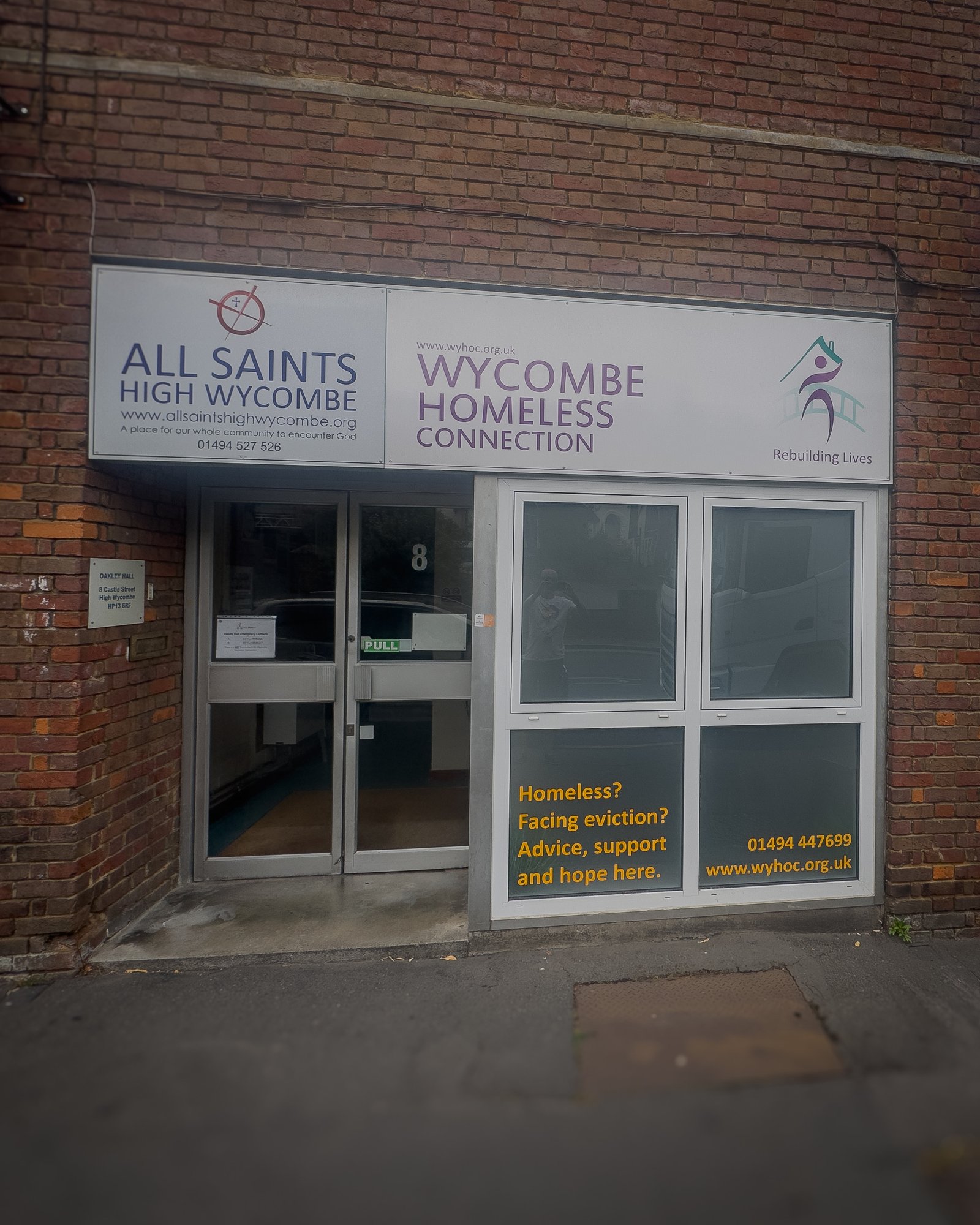
JB: Best thing is to offer a sandwich or coffee or direct people to us. We are open weekdays 10 - 12.30pm with supplies of free food, clothing and practical help.
RM: I’d encourage people to offer food or direct the person to local food banks, community kitchens or support services rather than giving cash.
DH: Wanting to help someone who says they are hungry is natural and compassionate. Small acts of kindness, such as offering food or a hot drink, can help someone feel seen and valued. However, lasting change comes from connecting people with services that can meet both their immediate needs and their wider challenges.
How can I avoid being targeted by more aggressive ‘standing’ beggars?
JB: I never give cash. Instead, I support charities such as WHC and ORB who make a safe and effective difference in the lives of their clients, helping with complex underlying issues.
DH: Challenging or confrontational behaviour may be caused by trauma, poor mental health, substance dependence or unmet needs. Understanding this helps us respond with humanity and appropriate boundaries.
RM: A simple and firm “Sorry, I can’t help today” while continuing to walk is the most effective response. If someone becomes aggressive or makes you feel threatened, move to a busy public place and, if necessary, contact the police. No one should feel intimidated into giving money.